Our Story Started with a Question
Why does conservation keep failing the people closest to nature?
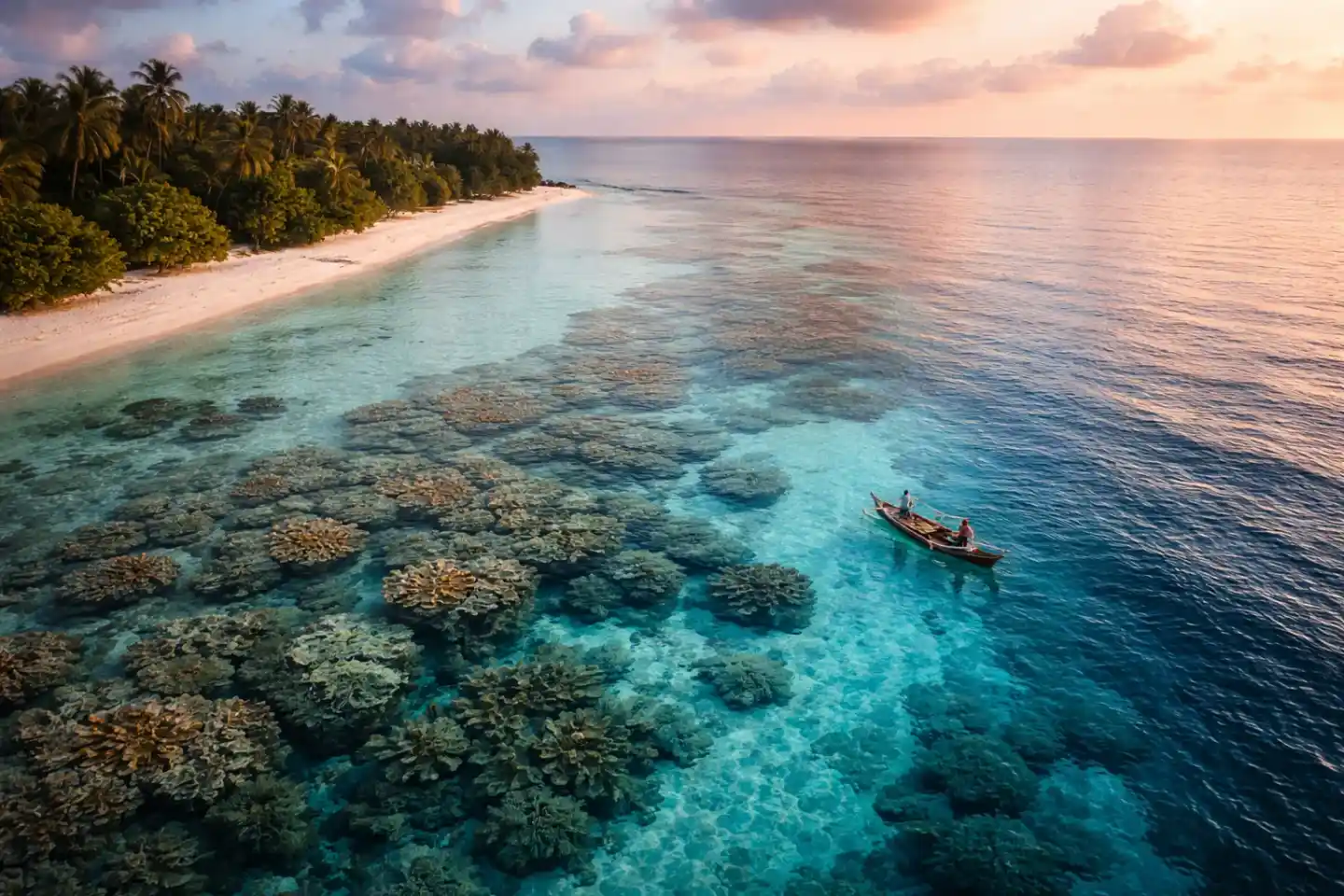
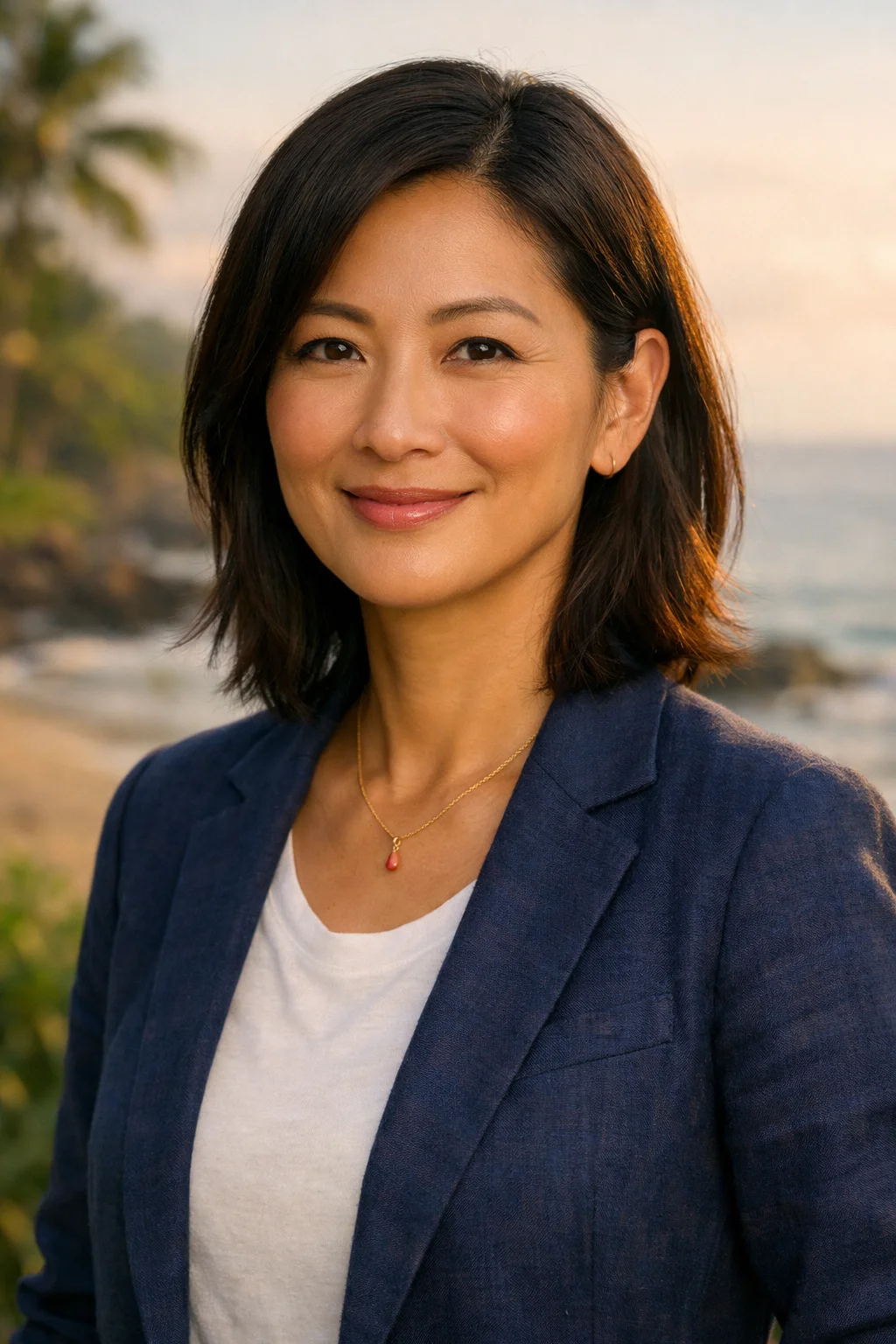
“Dr. Maya Chen was asleep in a research station on a small Philippine island when she heard the first blast. She'd been documenting coral health for six weeks. By the time she reached the beach, the fishing was already over.”
James Okonkwo got there at the same time. He was a wildlife photographer, on assignment for National Geographic. They stood together and watched as local fishermen pulled the last fish from the water. Men Maya had shared meals with. Men who knew these reefs better than anyone.
James remembers being confused at first. "I wanted to be angry. But these weren't criminals. They were fathers. The reef had been dying for years, and they couldn't catch enough fish anymore. The dynamite was fast."
That night, in a room lit by a flickering generator, Maya and James talked for hours. The question that kept coming up: why do so many conservation programs ignore the people who actually live with the wildlife? Why do outsiders design solutions in distant offices, then wonder why nothing changes?
They didn't have answers yet. But they had an idea. What if conservation worked with communities instead of around them? What if the people closest to nature were the ones making decisions?
Two years later, they returned to that same island to test the idea. PULSE started with one fishing village, one reef, and a simple agreement: the community would design the protection plan. PULSE would provide support.
“We got lucky with that first village. They were patient with us while we figured out what we were doing. Fourteen years later, they still call to check on us.”
What Makes Us Different
Communities Own the Solutions
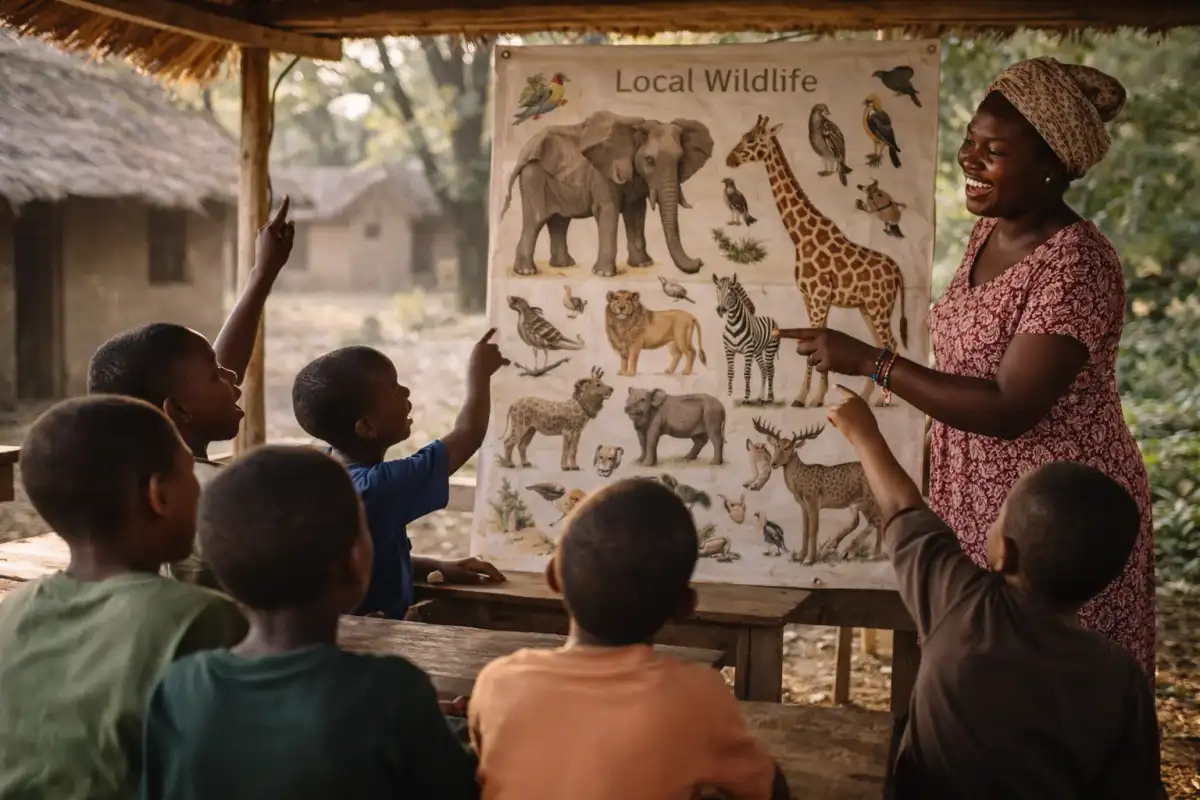
We don't bring programs to communities. We help communities build their own. When people design something themselves, they fight to protect it.
Old Knowledge Meets New Science
Local and indigenous communities have protected ecosystems for thousands of years. We combine what they know with modern research methods.
We Stay
Most conservation projects last three years. Then the funding ends and everyone leaves. Our oldest partnerships are entering their second decade.
We Show Our Failures
Not everything works. We publish what goes wrong alongside what goes right. That's how the whole field gets better.
Our Mission
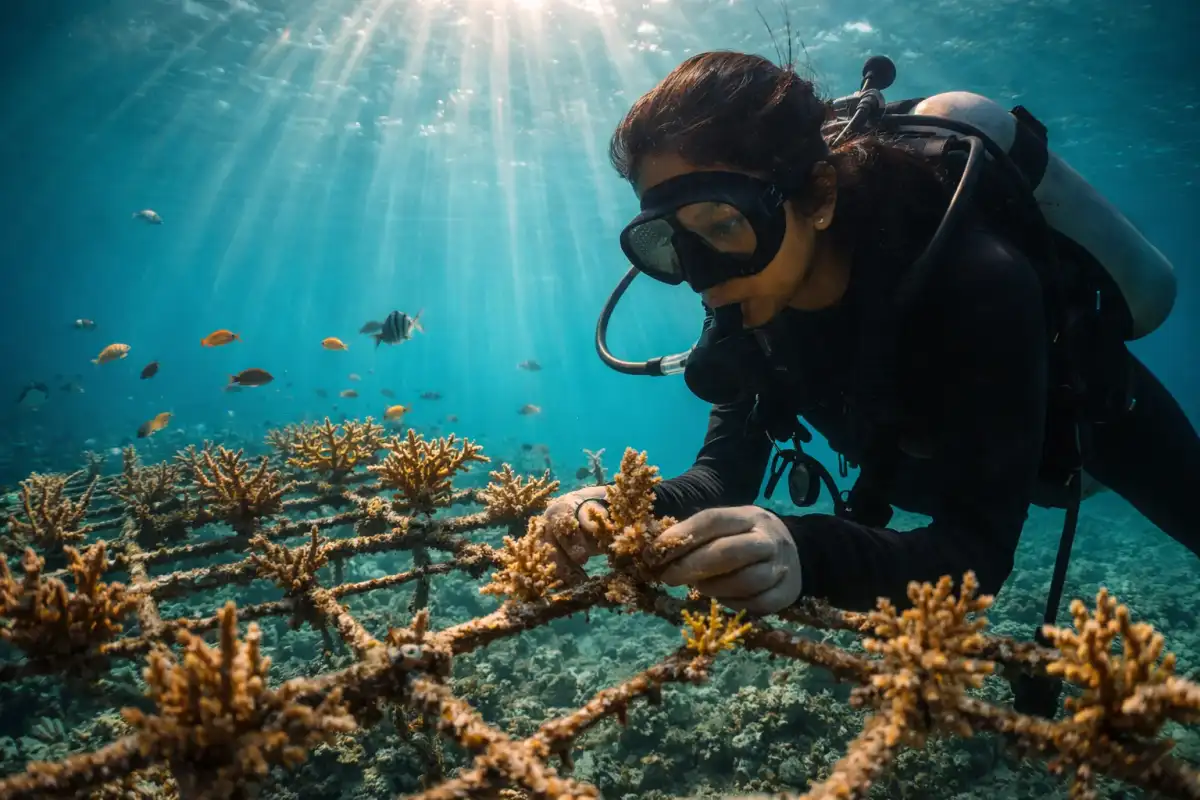
We help communities protect the nature around them. When local people lead conservation, it actually works.
Our Core Values
The principles that shape how we work, who we partner with, and where we invest.
Community First
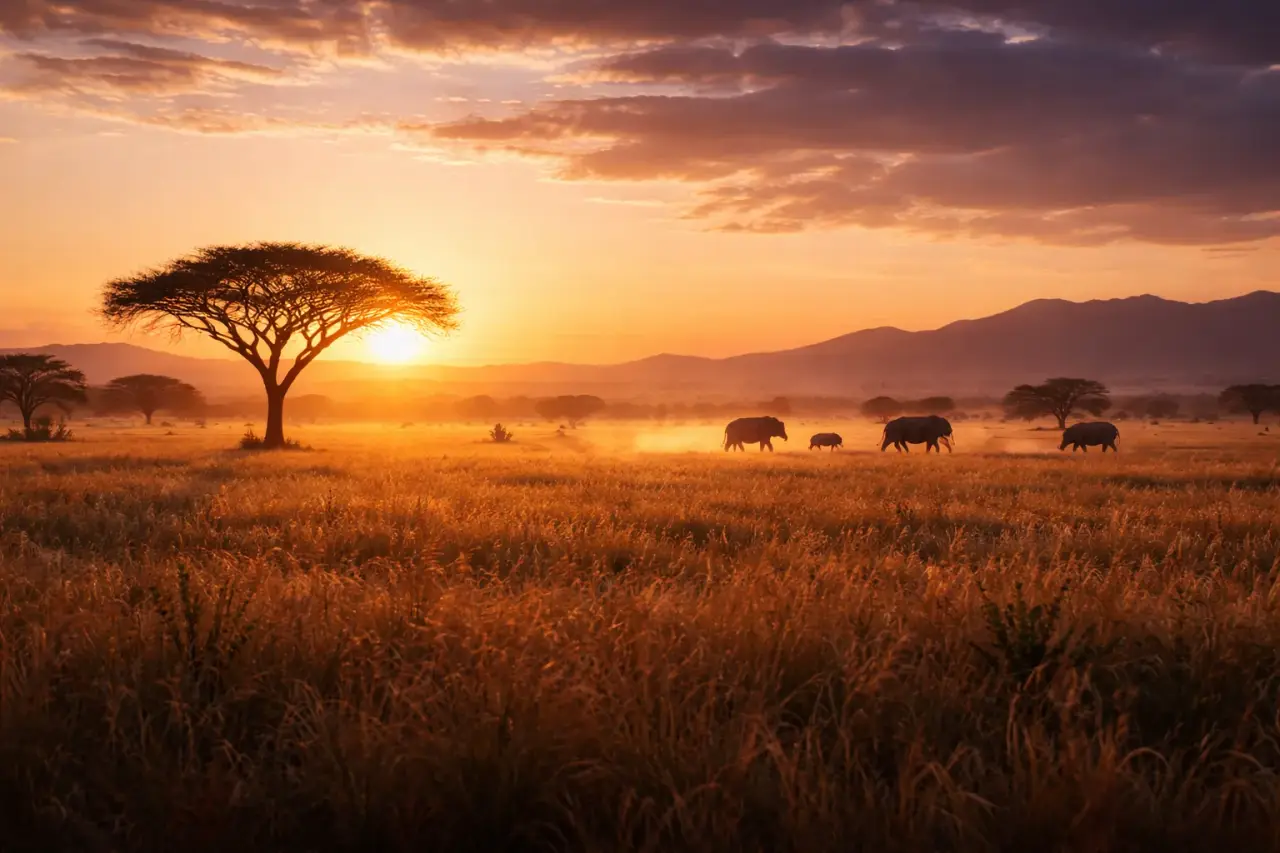
The people living closest to wildlife know things outsiders don't. They've been managing these lands for generations. Any real solution has to start with them.
Follow the Evidence
We track what works and what doesn't. When the data says we're wrong, we change direction. Conservation is too important for wishful thinking.
Local Leadership
Our job is to support, not to direct. The best programs are the ones communities design and run themselves. They know their context better than we ever could.
Show Everything
We publish our finances, our setbacks, and our failures. Donors deserve to know exactly where their money goes. So do our partners.
Work Together
No single organization can solve this. We partner with governments, businesses, researchers, and other nonprofits. Shared problems need shared effort.
Our Vision
A future where healthy ecosystems and thriving communities support each other.
Key Milestones
From a single marine survey to a global conservation force — the moments that shaped who we are.
Our Team
Scientists, storytellers, and strategists united by a shared commitment to the natural world.
Dr. Maya Chen
Co-Founder & CEO
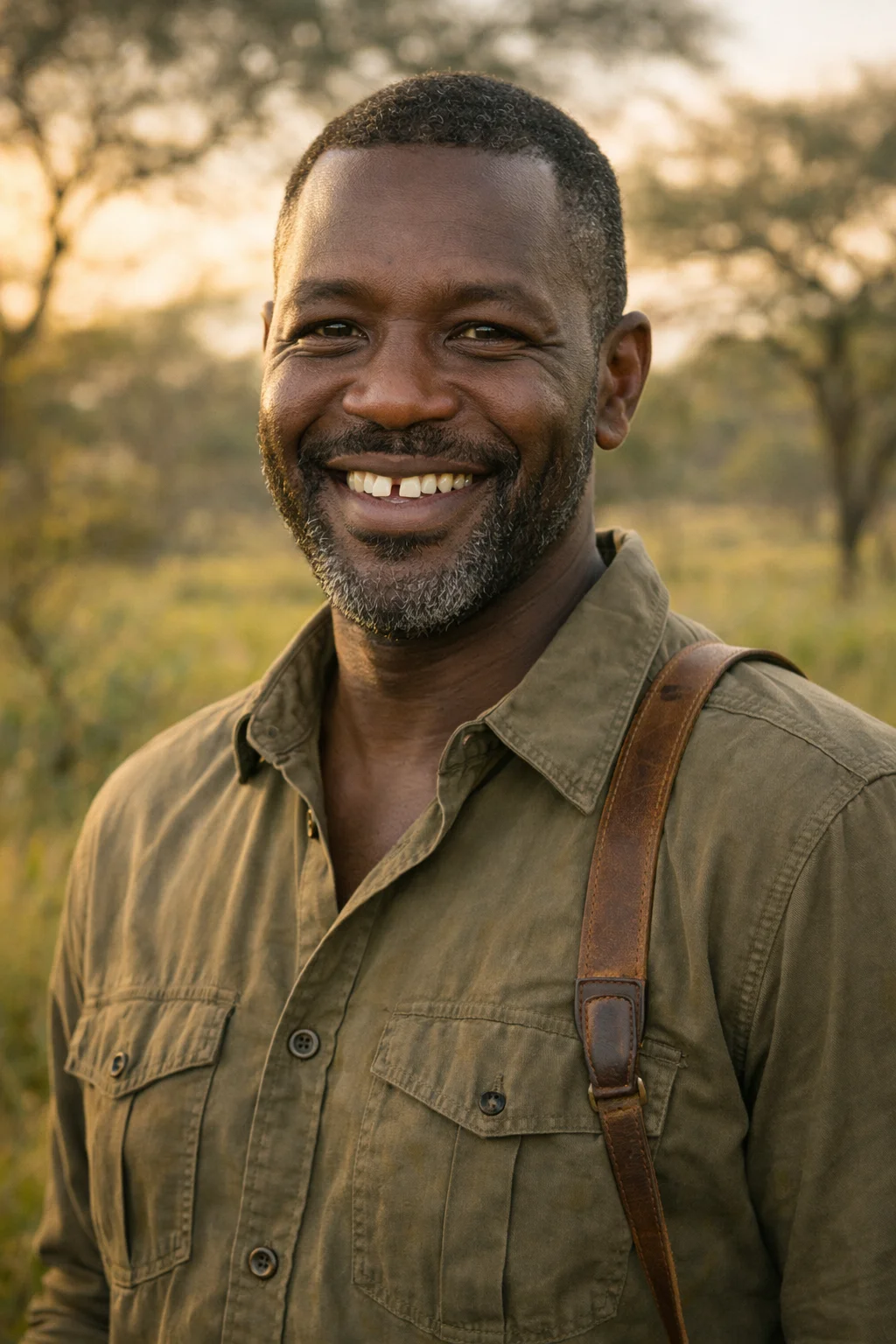
James Okonkwo
Co-Founder & Chief Impact Officer

Dr. Anika Patel
Chief Science Officer
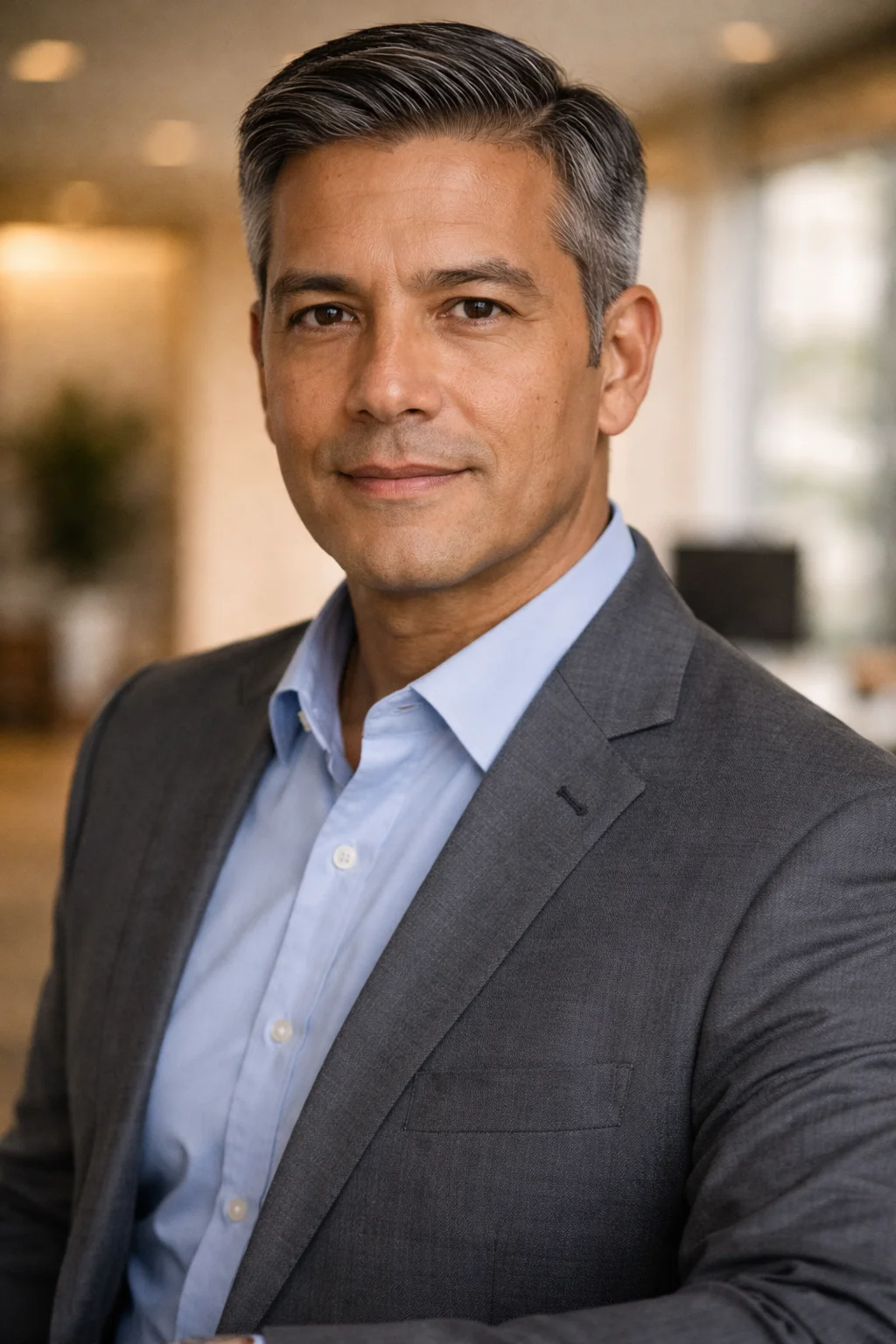
Michael Torres
Chief Operating Officer

Lisa Nakagawa
Chief Development Officer
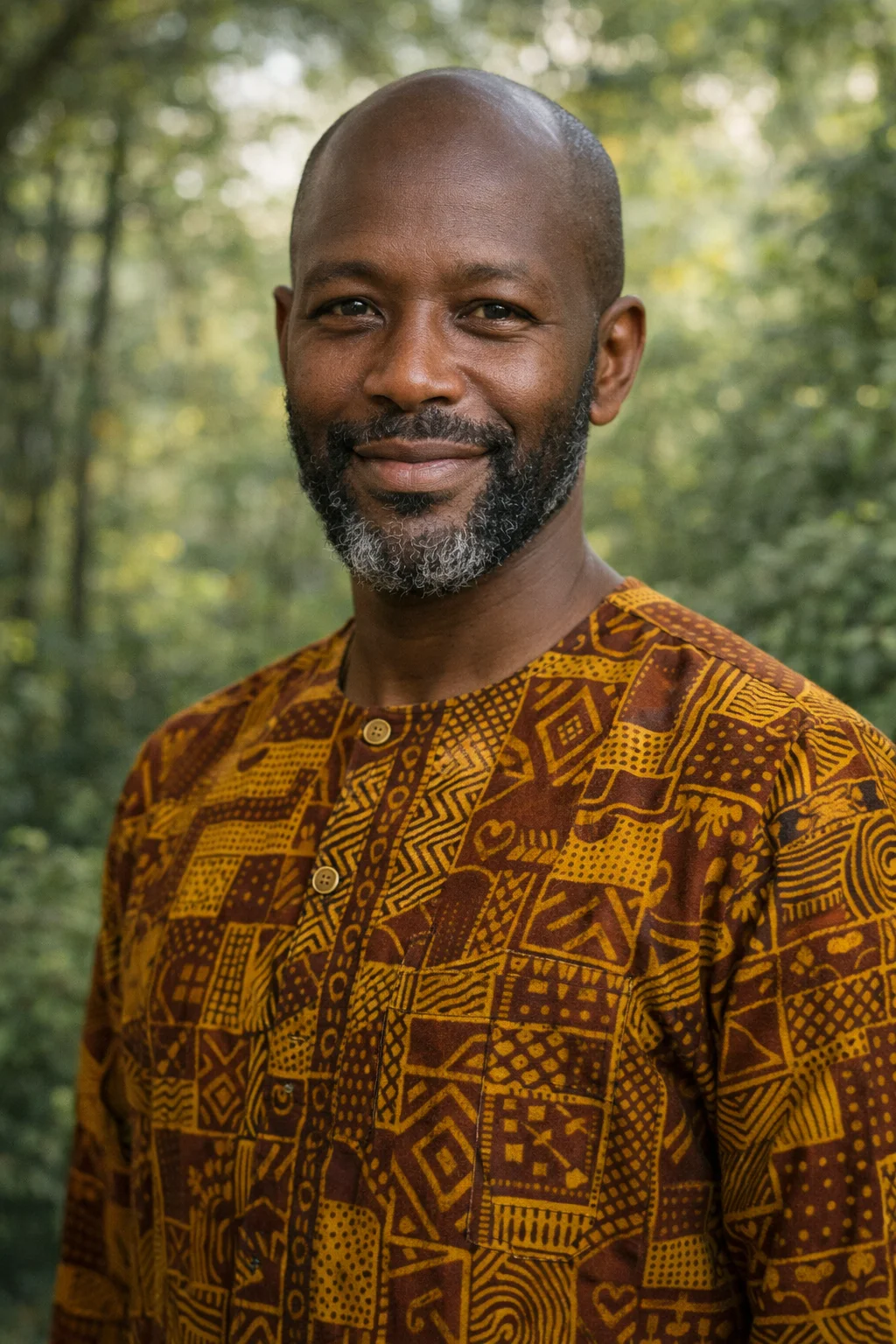
Dr. Samuel Adeyemi
Director of African Programs
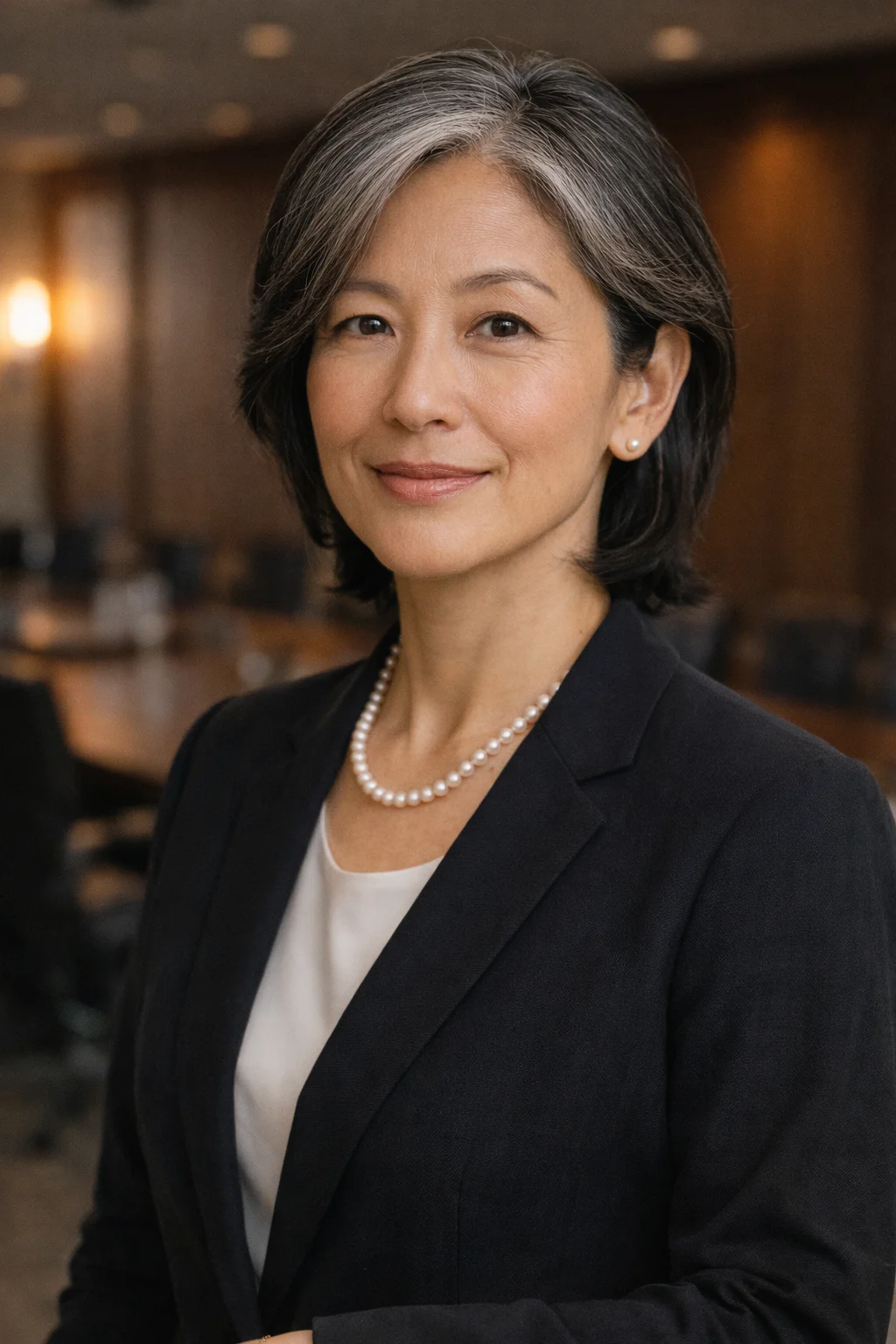
Dr. Sarah Nakamura
Board Chair
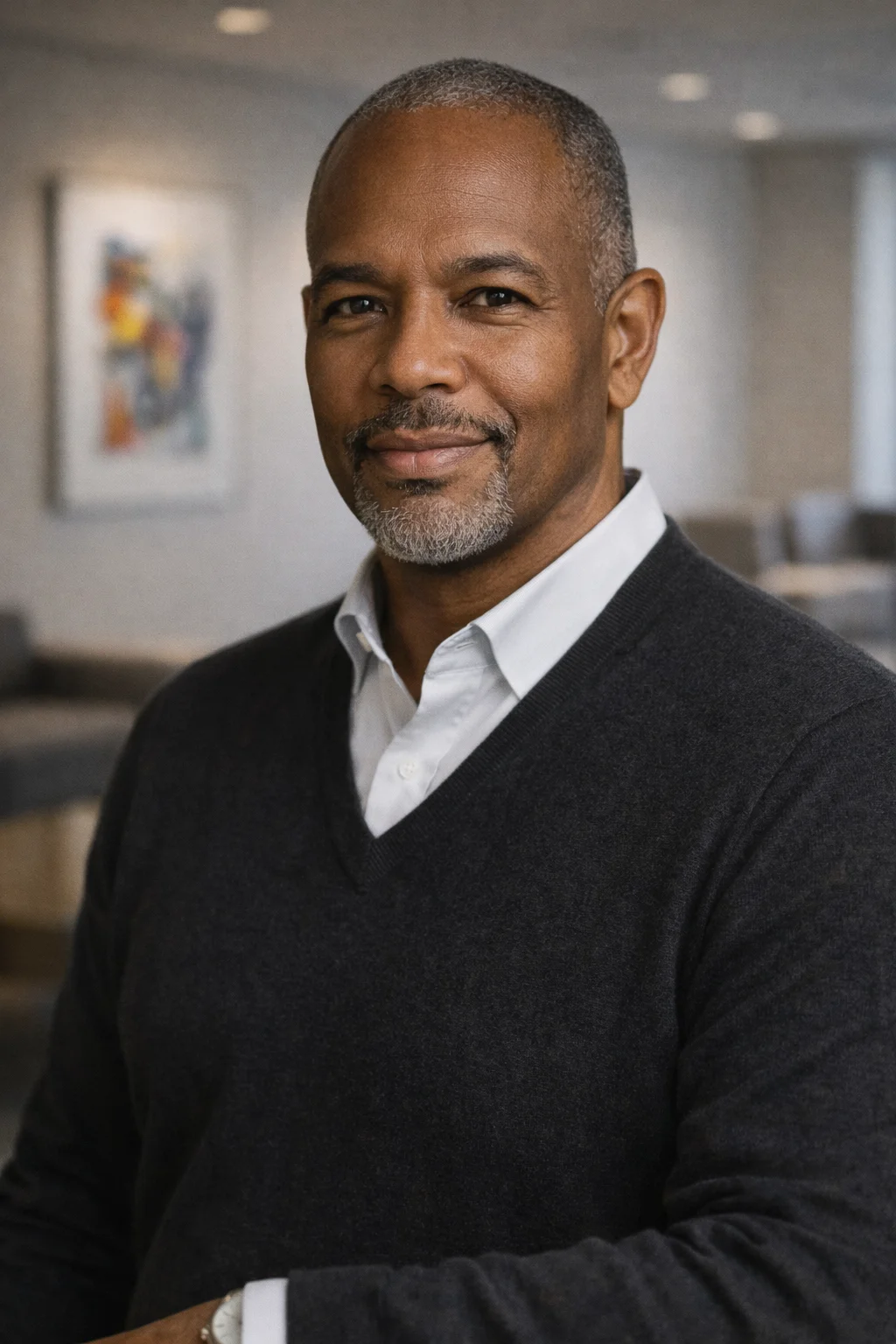
Marcus Thompson
Vice Chair
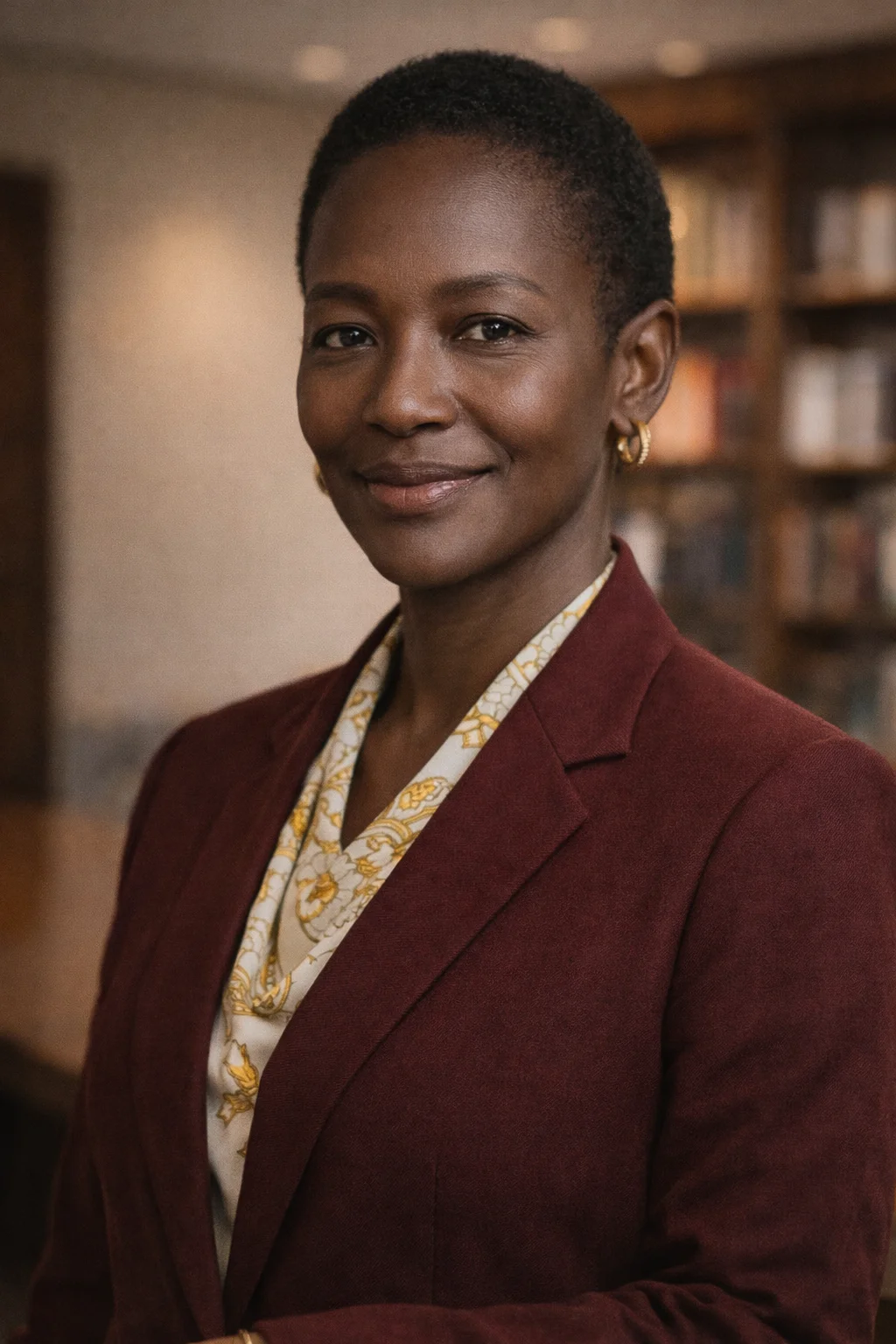
Dr. Amara Diallo
Treasurer
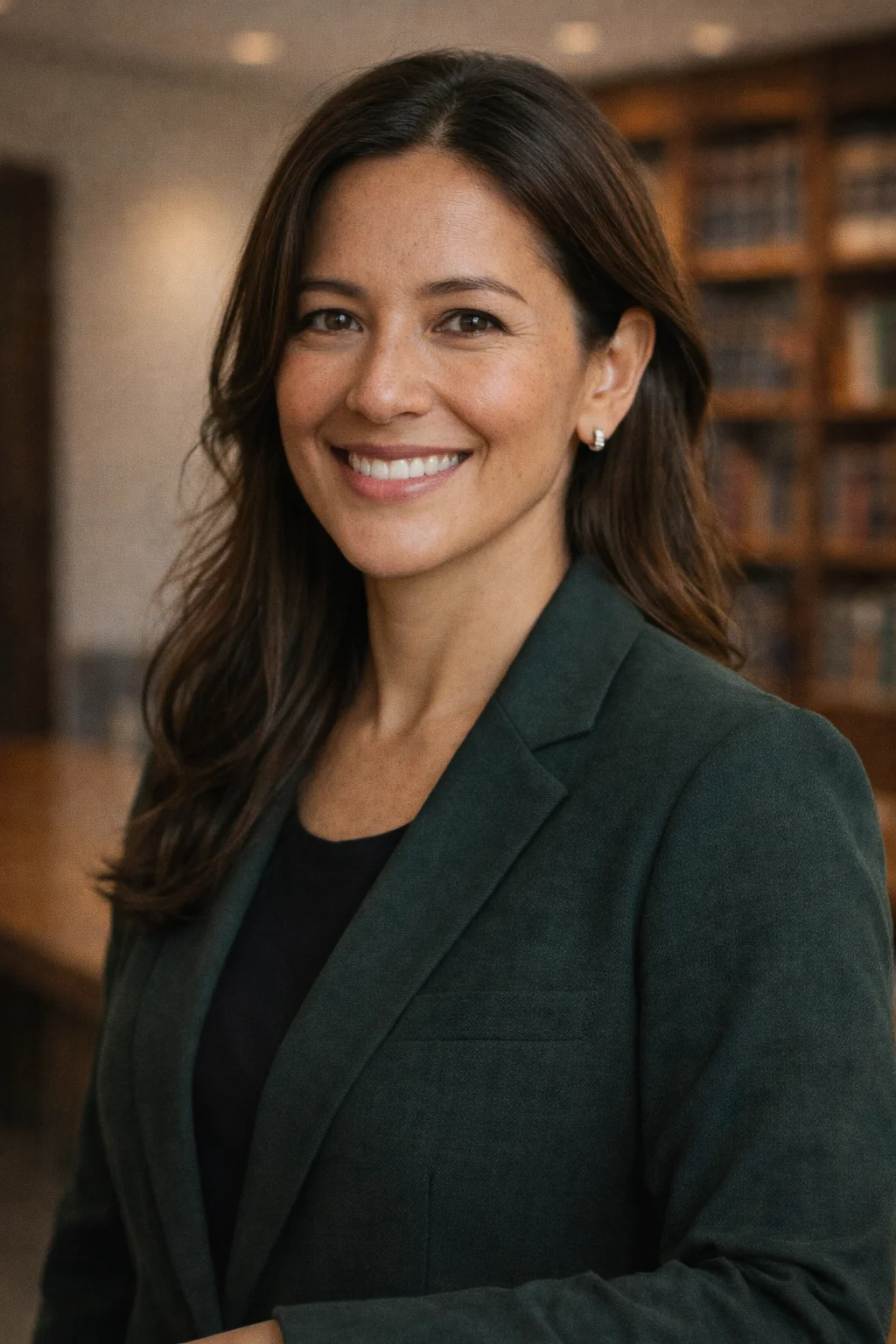
Elena Rodriguez
Secretary
Full Accountability
For every dollar we receive, 92 cents goes directly to conservation work. The rest covers the basics: accounting, legal, the small staff that keeps everything running.
Annual Reports